Can You Shower with a Silicone Ring? Yes — Here’s Why
Yes, you can shower with a
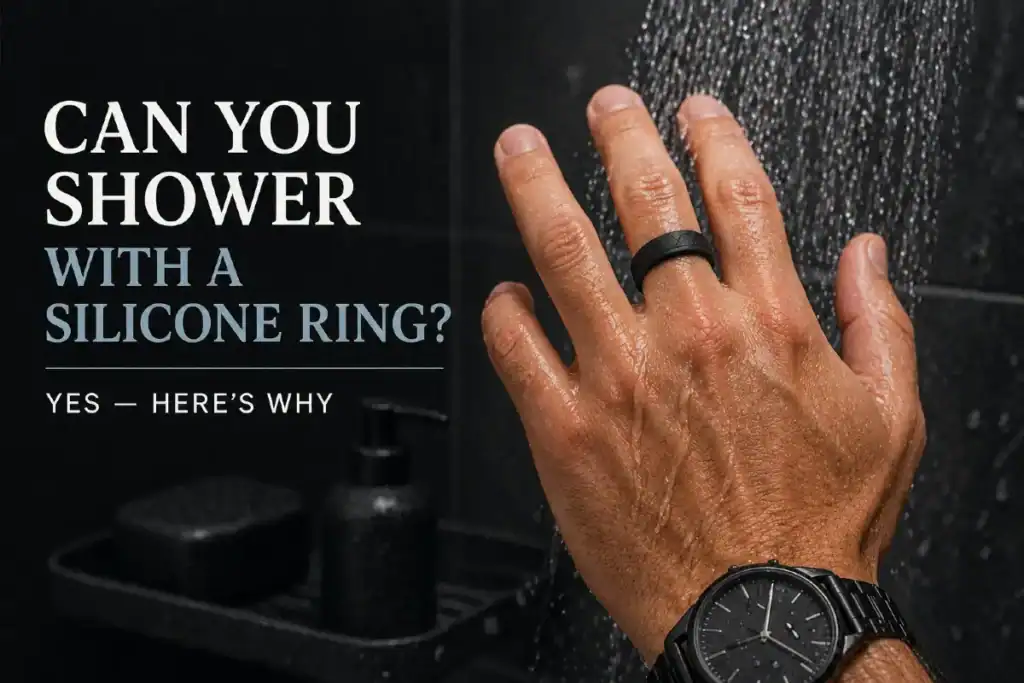
silicone ring — it is completely safe. Silicone rings are fully waterproof. Hot water, cold water, soap, and shower gels have no damaging effect on the silicone itself.
Silicone is chemically inert — it does not absorb water. Unlike some metal rings, silicone will not
tarnish or rust, or react with water exposure. This is one of the main practical advantages of silicone over metal for daily wear.
Why Silicone Is Waterproof
Water does not damage silicone. Silicone is a synthetic polymer that is chemically inert — it does not react with water at any temperature within normal shower use range. Unlike metals (which can tarnish, corrode, or discolour skin), silicone is unaffected by water.
The material science: Silicone is made from silicon, oxygen, carbon, and hydrogen. The strong silicon-oxygen backbone makes it resistant to water, heat, and most common chemicals. This is why silicone is used in medical devices, kitchenware, and industrial seals.
Temperature: Medical-grade silicone is unaffected by the heat of a shower, a hot car or a gym bag. Normal shower water — even the hottest domestic shower — operates well below this. Hot showers do not damage silicone rings.
Not the same as rubber: Natural rubber degrades with repeated water exposure over time. Medical-grade silicone does not. This distinction matters — low-cost silicone alternatives may use compounds that degrade faster. Newman Bands silicone rings use medical-grade silicone throughout.
Should You Remove It for Deep Cleaning?
Not necessary for standard showering. Standard shower gels, shampoos, conditioners, and body wash are all pH-neutral to mildly acidic — they do not harm silicone. The one exception: bleach-based cleaning products and heavy industrial-strength detergents used in concentration can degrade silicone surface finish over time with repeated exposure.
Everyday shower products: Shower gel, shampoo, conditioner, and body wash are all safe. No restriction on using these with a silicone ring on.
Bleach-based products: Products containing bleach (some bathroom cleaners, medicated washes) are alkaline and can affect silicone surface finish with repeated exposure. If you regularly clean a shower while wearing your ring, remove it first.
Care tip: If your silicone ring feels grimy after showering, rinse it with warm water and rub gently with your thumb. It will come clean without a brush or special cleaner.
What Actually Causes Problems Is Underneath the Ring
The silicone is not the issue in the shower — the skin under it is. Any ring, in any material, traps a film of water, soap and shampoo against the skin. Left there all day, that combination is a common cause of irritation on the ring finger: the red, itchy, sometimes flaky patch people usually blame on the ring material itself.
The fix takes seconds. Slide the ring up or off while you rinse, then dry underneath it properly before you get dressed. A silicone ring makes that easier than a metal one, because it flexes over the knuckle without forcing.
If you already have irritation, rule out trapped residue before assuming an allergy. Genuine reactions to medical-grade silicone are rare; soap sitting under a ring for hours is common.
Swimming, the Sea and Hot Tubs
Chlorinated pool water and salt water have no effect on silicone, and neither does a hot tub. Medical-grade silicone is stable well beyond any temperature you would willingly sit in, so saunas and steam rooms are not a problem either.
The more useful point is what happens to your finger, not your ring. Cold water shrinks fingers — which is precisely how metal wedding bands end up on the sea bed. Silicone flexes and grips rather than sliding, which is why many people keep one specifically for holidays, swimming and watersports, and leave the metal band at home.
Silicone vs Metal in the Shower
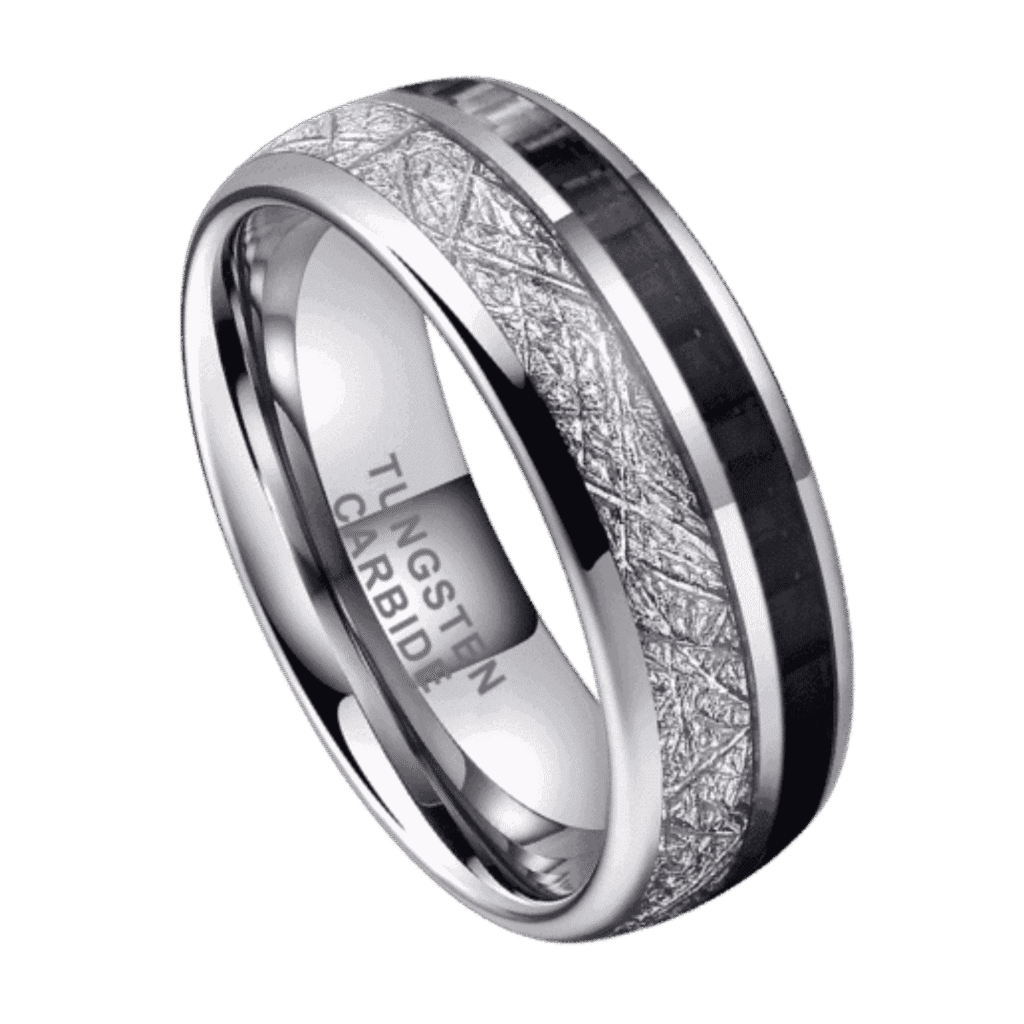
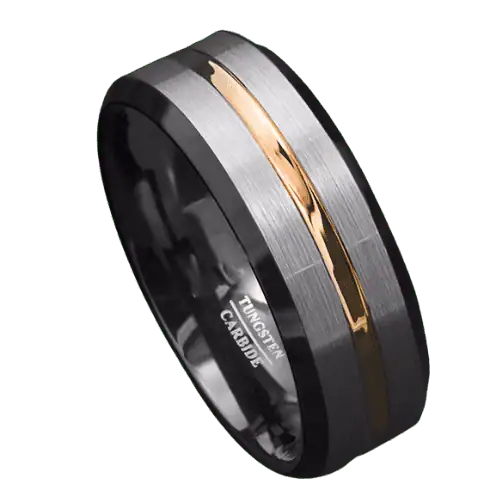
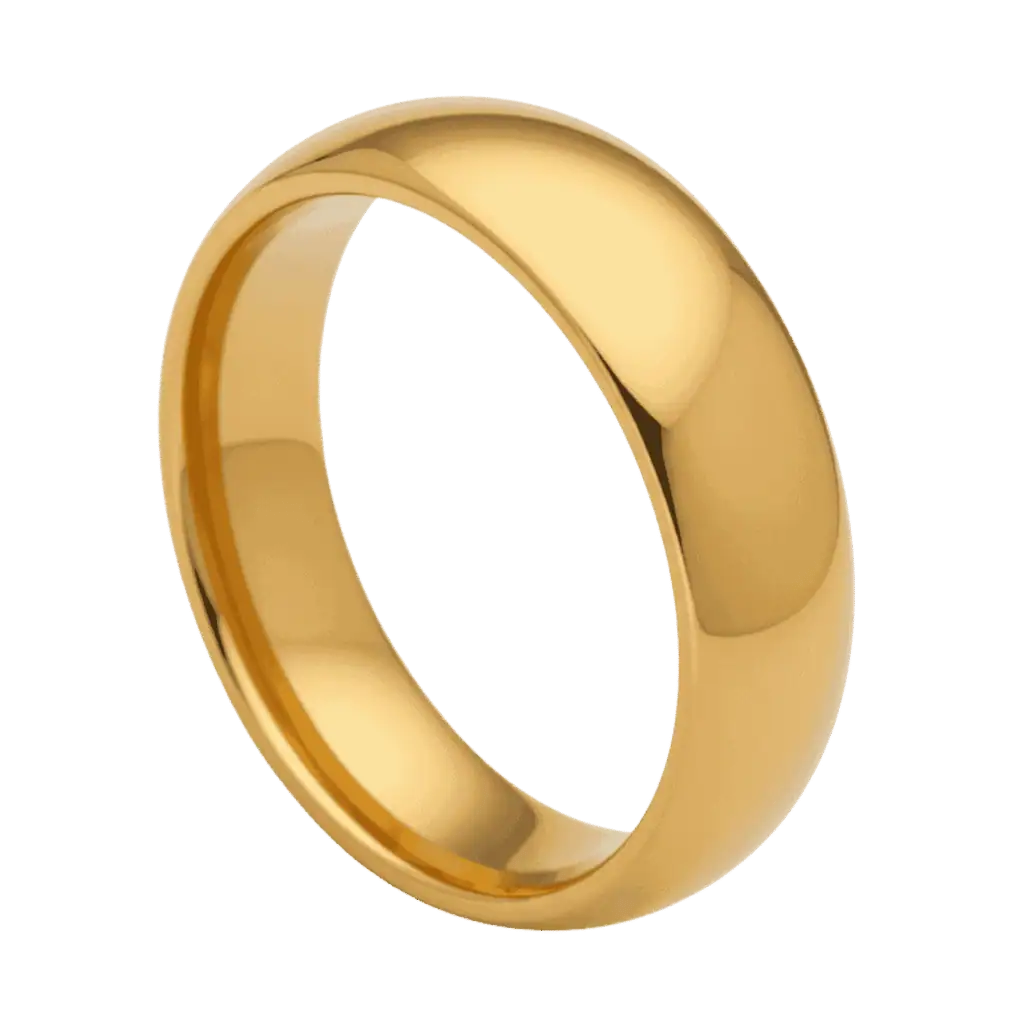
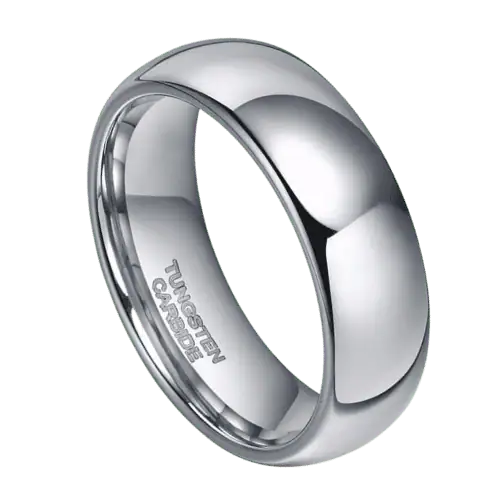
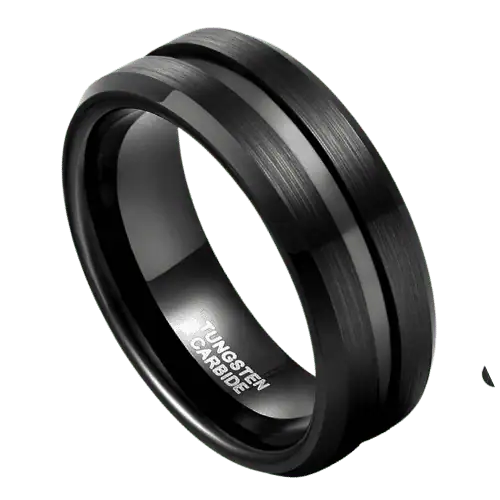
It depends on the metal. Tungsten and titanium are waterproof and shower-safe. Sterling silver tarnishes with regular water exposure. Yellow gold is generally shower-safe but can be dulled by repeated soap contact. For men who shower daily and want a ring that requires no thought — silicone is the most practical default.
Can You Swim with a Silicone Ring?
Yes. Silicone rings are safe in swimming pools, the sea, and open water. Chlorine (in pools) and salt water do not damage medical-grade silicone. However, cold water causes fingers to contract slightly — in very cold water, a ring that normally fits well may become slightly loose.
Cold water and fit: Fingers shrink in cold water. If a silicone ring fits snugly at normal temperatures, it will fit fine in a pool. If it was already slightly loose, cold water could mean it slips off. Ensure a good fit before swimming in cold conditions.
Open water: Silicone is used in wetsuits, diving equipment, and swimming accessories — it is the natural material for water environments.
Frequently Asked Questions