

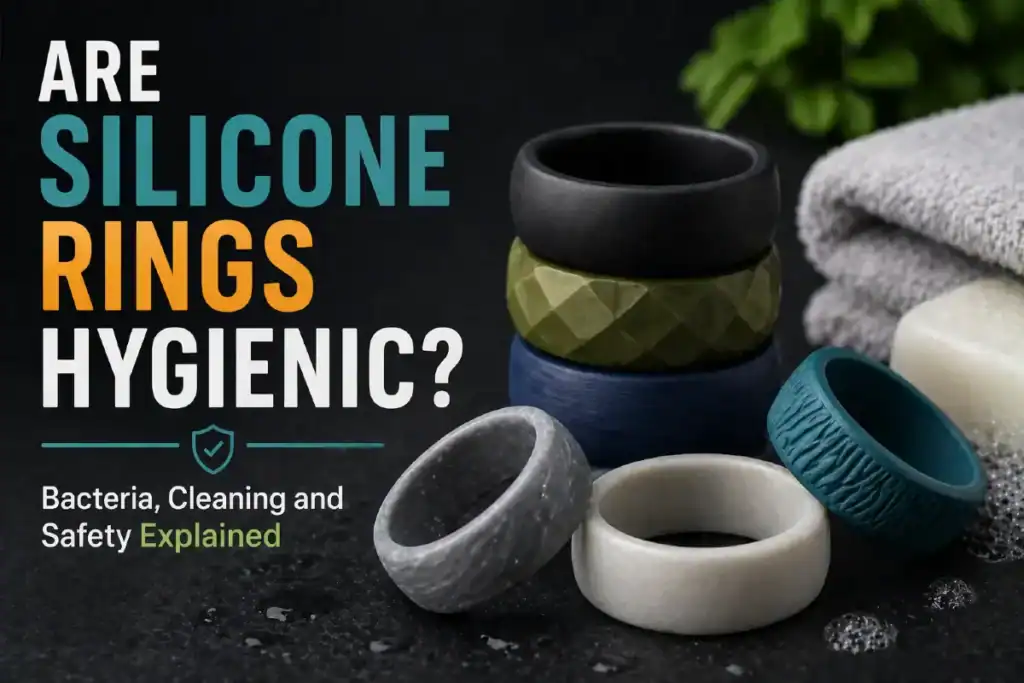
Are Silicone Rings Hygienic? Bacteria, Cleaning and Safety Explained

Written by Alan MacLachlan, Owner, Newman Bands (Horsham, West Sussex)
Alan has overseen more than 100,000 ring orders since founding Newman Bands with Clare. Newman Bands is the trading name of Manzora Ltd, incorporated in 2001; it has sold men's rings since 2019, with every design and size held in stock in the UK and same-day dispatch on orders before 5pm — most orders arrive within one to two days. Alan personally answers customer queries on metal selection and ring choice every week. Newman Bands has more than 15,000 verified customer reviews — rated 4.99 out of 5 on Reviews.io and 5.0 on Trustpilot.
If you work in healthcare, food preparation, or any environment where hygiene matters, you have probably asked this question. The honest answer is more nuanced than most ring guides will tell you — and getting it right matters if you’re deciding whether a silicone ring fits your working life.
Here is what the evidence actually shows, what silicone’s material properties mean in practice, and how to keep any ring as hygienic as possible.
In this guide
Do Silicone Rings Harbour Bacteria?
All rings harbour bacteria — and to be precise, the bacteria colonise the skin under the ring, not the ring material itself. When a ring sits against your skin, it creates a warm, moist environment that restricts the natural drying that keeps bacterial populations in check. This applies to every ring on every hand, regardless of what it is made from.
The material does play a role, but it is not the primary factor. Silicone has a smooth, non-porous surface — bacteria cannot shelter in microscopic surface cavities the way they can in textured or engraved metal surfaces. A plain, smooth metal band shares this property. A metal ring with an engraved inner surface, stone setting, or complex texture offers more surface area for bacterial adhesion.
The most important hygiene variable is not ring material — it is hand hygiene behaviour. A person who washes their hands thoroughly and regularly, including removing their ring occasionally to clean underneath, will have significantly lower bacterial load than someone who never removes their ring, regardless of whether the ring is silicone or platinum.
The Honest Summary: All rings can harbour bacteria under them. Silicone’s smooth, non-porous surface means bacteria cannot colonise the material as easily as in textured metal. But the key hygiene factor is what you do — not what the ring is made from.
Silicone vs Metal Rings for Hygiene
The comparison between silicone and metal rings like tungsten is not as simple as “one is more hygienic than the other.” The relevant variables are surface texture, ring profile, how well the material responds to cleaning agents, and how the ring sits against the skin.
| Factor | Silicone | Plain Metal Band |
|---|---|---|
| Surface porosity | Non-porous; smooth surface | Non-porous; smooth surface on plain bands |
| Surface texture / crevices | Smooth throughout; no settings or engraving | Plain bands similar to silicone; engraved or set bands have more surface area |
| Under-ring environment | Creates warm, moist area (same as all rings) | Creates warm, moist area (same as all rings) |
| Cleanability | Easy to clean; soap and warm water; alcohol sanitiser safe | Easy to clean; alcohol sanitiser safe |
| Reaction to sanitiser | No degradation from alcohol-based hand sanitisers | No degradation; some plating may be affected over time |
| Profile / snag risk | Flat, low-profile; less likely to snag or trap debris | Low-profile plain bands similar; raised settings trap debris more readily |
A plain metal band — no setting, no engraving, no texture — is very similar to a silicone ring in hygiene terms. The material difference matters less than the ring’s design and how well it is cleaned. A highly textured metal ring with a stone setting presents more hygiene challenges than either.
“Just what I was looking for, perfect for those who lift weights in the gym and do not want to scratch metals rings. Size is great for those with larger fingers.”
John Hancock
verified customer review — quoted word-for-word
“Looks great and comfortable. Exactly what I needed to replace my wedding ring which I can no longer wear due to a finger injury. Will be safe to keep wearing during sports which is a huge bonus too.”
Graham Kinsey, London
verified customer review — quoted word-for-word
How to Clean a Silicone Ring
Regular cleaning is the single most effective thing you can do to keep a silicone ring hygienic. The process is simple and takes under a minute.
Routine cleaning (weekly for everyday wear; start and end of shift for clinical use): Remove the ring. Apply a drop of washing-up liquid or hand soap to the ring. Scrub gently with a soft-bristle toothbrush for 20 seconds. Clean the skin underneath the ring with soap and water. Rinse both ring and finger thoroughly. Dry the ring completely with a clean cloth before putting it back on.
Alcohol-based hand sanitiser: Safe to use on silicone rings. It will not degrade the material. If you apply sanitiser with your ring on, make sure to work it under the ring and around the band, not just over the top.
What to avoid: Do not boil a silicone ring. Do not put it in an autoclave. Do not use bleach or harsh solvents. These will not make the ring more hygienic — they are likely to degrade the silicone or strip any surface colouring.
Clinical Settings: In healthcare environments, NHS infection control guidance recommends bare below the elbows in clinical areas — which means all rings should be removed before patient contact and during clinical procedures. This applies to silicone and metal rings equally. Clean your ring at the start and end of each shift.
When You Should Remove Your Ring
There are specific environments where all rings — silicone or metal — should be removed:
Sterile clinical procedures: All rings must be removed before surgical or sterile procedures. This is a standard infection control requirement and applies regardless of ring material.
Food preparation (commercial): Food safety regulations in the UK require that jewellery is not worn in food preparation areas unless covered by a glove. A plain silicone ring is lower-risk than a decorated metal ring, but the regulatory position is to remove rings or use gloves.
NHS bare below the elbows: NHS guidance on infection prevention recommends bare below the elbows in clinical areas, which includes rings. Silicone rings are no exception to this guidance.
Childbirth and obstetrics: Medical staff attending births typically remove all hand jewellery as part of standard clinical preparation.
For Healthcare Workers: Silicone rings are popular in nursing and healthcare because they are comfortable and break-safe, but they are not exempt from bare-below-the-elbows policy. Remove your ring for patient-facing clinical work and clean it regularly. The ring material does not override infection control guidance.
Are Silicone Rings Safe for Sensitive Skin?
Medical-grade silicone is chemically inert and biocompatible. It does not contain nickel, cobalt, or other metals that commonly cause contact dermatitis. For people who react to metal rings, silicone is a genuinely hypoallergenic alternative.
Silicone does not leach chemicals into the skin and does not react with sweat, soap, or most cleaning products. It is the same class of material used in surgical implants, medical-grade tubing, and baby feeding equipment — all applications where skin safety is a primary requirement.
If you notice skin irritation under a silicone ring, the cause is almost always moisture buildup rather than a reaction to the material itself. Remove the ring overnight or for a few hours each day to allow the skin to dry. Clean both the ring and the skin underneath regularly. Persistent irritation that does not resolve with cleaning and periodic removal is worth discussing with a GP.
Newman Bands silicone rings are made from medical-grade silicone — the same class of material used in surgical implants, baby products, and medical tubing. They are free from BPA, latex, nickel, cobalt, and heavy metals. From £18, they are a practical starting point for anyone testing whether silicone works for their skin before committing to a larger purchase.
Frequently Asked Questions
Are silicone rings hygienic?
Silicone rings are no more or less hygienic than any other plain, smooth ring by default. All rings create a warm, moist environment under them that can increase bacterial load on the skin. Silicone’s non-porous surface means bacteria cannot shelter in surface cavities, which is a marginal advantage over textured metals. The key hygiene factor is hand washing behaviour and regular ring cleaning — not ring material.
Do silicone rings harbour bacteria?
Like all rings, silicone rings can contribute to increased bacterial presence on the skin beneath them. The bacteria colonise the skin, not the silicone itself. Regular removal and cleaning of both the ring and the skin underneath is the effective way to manage this. Silicone’s smooth, non-porous surface makes cleaning straightforward.
Can you sterilise a silicone ring?
You can clean a silicone ring thoroughly with soap and water or alcohol-based sanitiser. Do not attempt to autoclave or boil a silicone ring — the temperatures required for autoclave sterilisation will damage consumer-grade silicone. In clinical environments where true sterilisation is required, the ring should be removed, not sterilised.
Are silicone rings safe for sensitive skin?
Yes. Medical-grade silicone is hypoallergenic, chemically inert, and free from nickel, cobalt, and latex. It is the same material used in surgical implants and baby products. Skin irritation under a silicone ring is almost always caused by moisture accumulation rather than a reaction to the material. Regular cleaning and occasional ring removal resolves this in most cases.
Related Guides
Related: silicone rings for nurses
Related: the full silicone rings guide
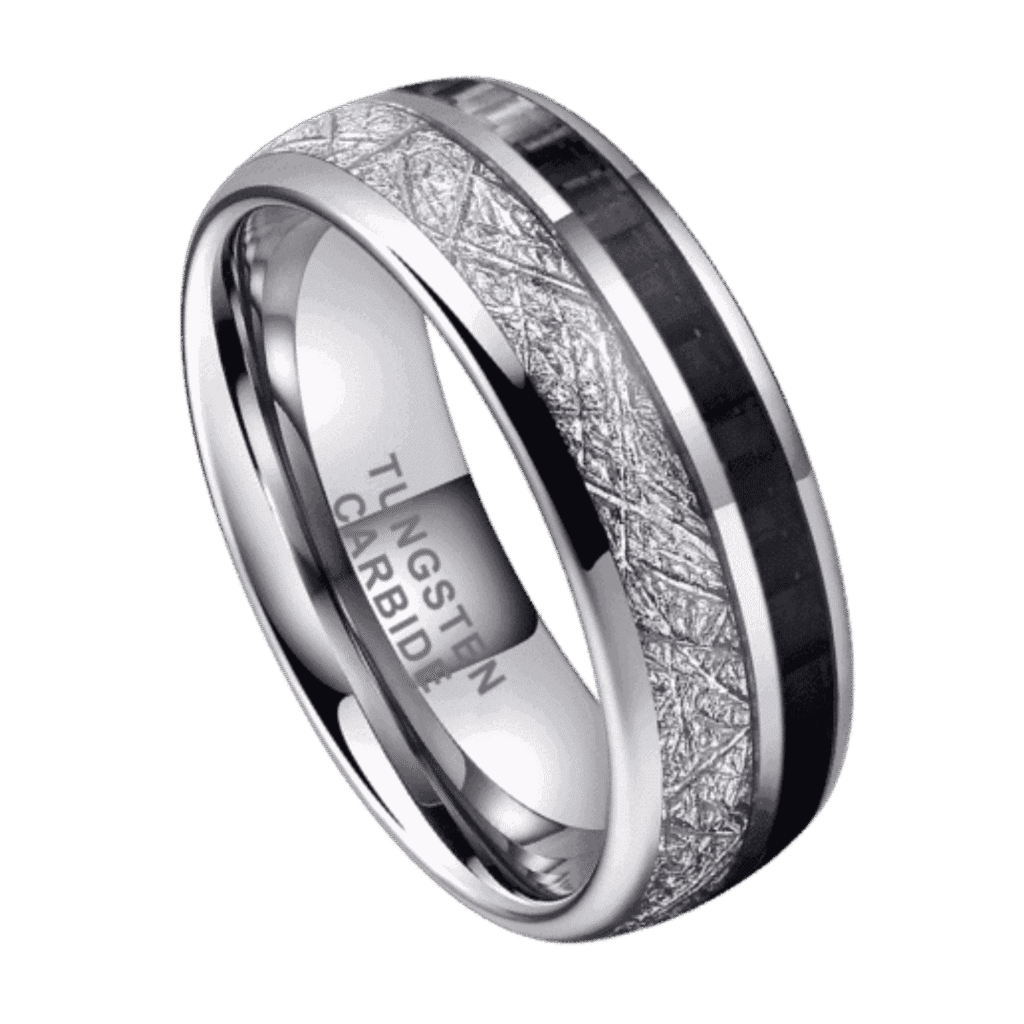
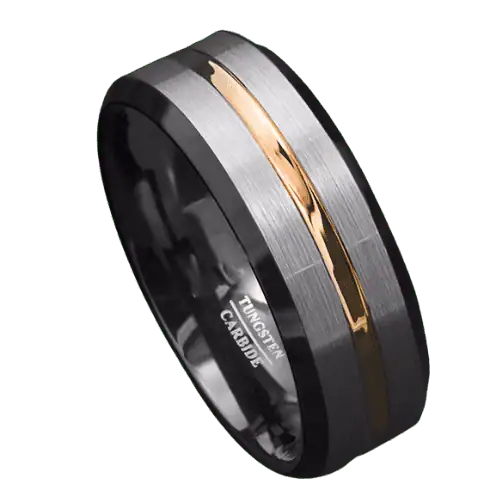
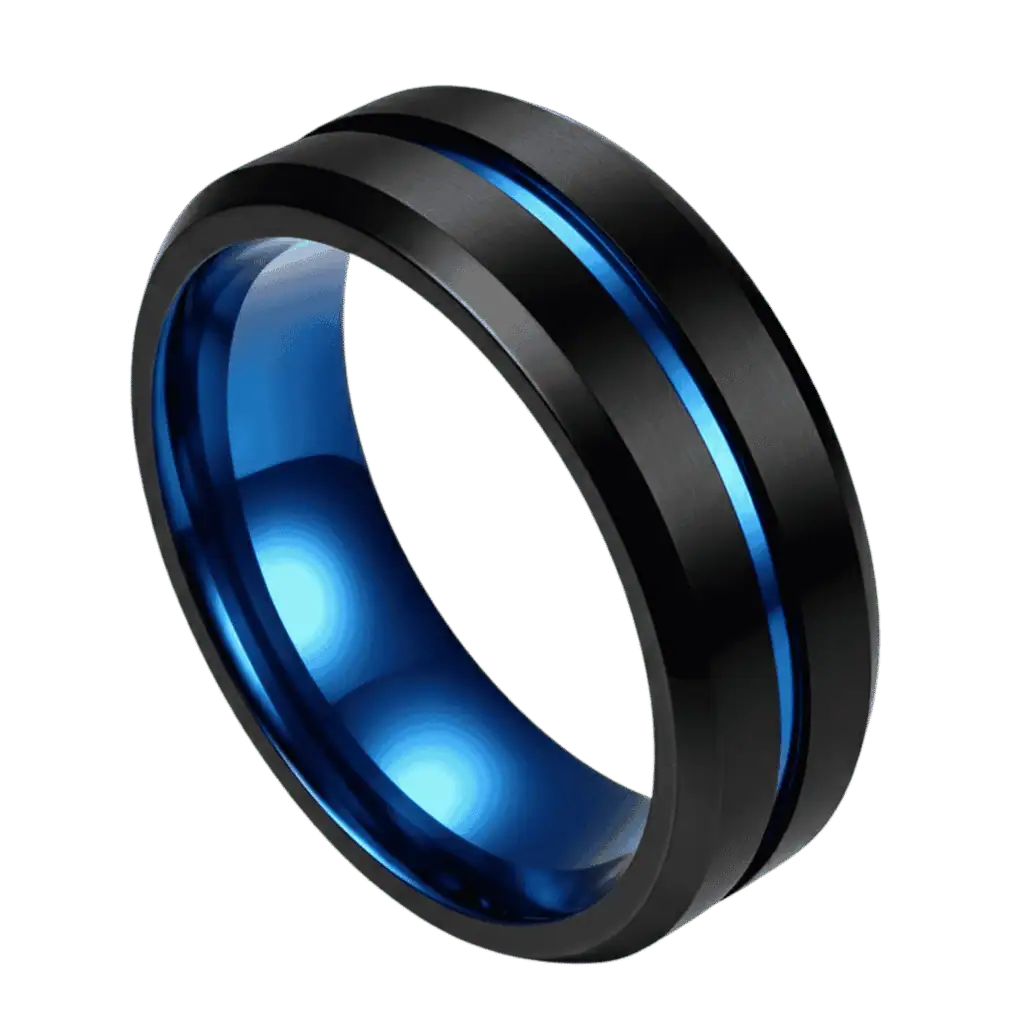
Buy Men's Rings
Related guides



Why choose Newmanbands
- 15,000+ verified 5-star reviews
- Free 1-2 day UK delivery
- 100-day free returns
- Every size held in UK stock
- Free ring sizer sent on request
- Personalised engraving