

Silicone Rings for the Military: The Safe, Practical Choice for Service Life

Written by Alan MacLachlan, Owner, Newman Bands (Horsham, West Sussex)
Alan has overseen more than 100,000 ring orders since founding Newman Bands with Clare. Newman Bands is the trading name of Manzora Ltd, incorporated in 2001; it has sold men's rings since 2019, with every design and size held in stock in the UK and same-day dispatch on orders before 5pm — most orders arrive within one to two days. Alan personally answers customer queries on metal selection and ring choice every week. Newman Bands has more than 15,000 verified customer reviews — rated 4.99 out of 5 on Reviews.io and 5.0 on Trustpilot.
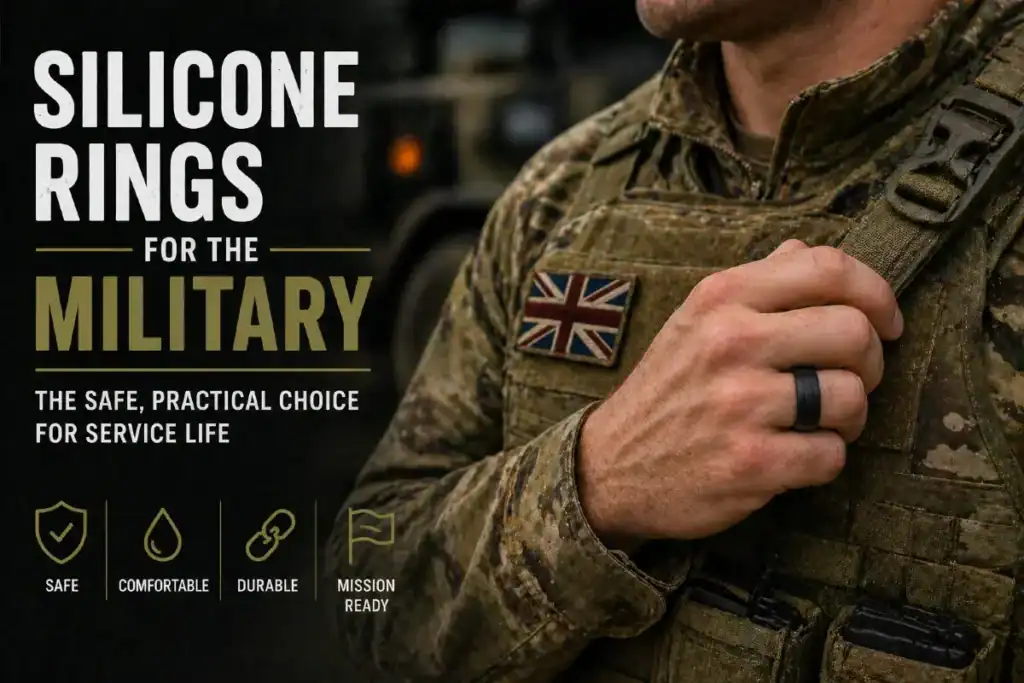
If you serve in the British armed forces — or you’re buying a ring for someone who does — you already know that a standard metal wedding ring creates real problems in service environments. Ring avulsion, reflective surfaces, and the sheer practicality of field conditions mean many service personnel remove their rings entirely. Silicone rings were designed with exactly this problem in mind.
This guide covers why silicone rings have become the go-to choice for British Army, Royal Navy, RAF, and Royal Marines personnel, what the UK’s approach to rings in uniform looks like, and how to choose the right ring for service life.
In this guide
Can You Wear a Ring in the British Military?
Unlike the US military, which has a single codified appearance standard (Army Regulation AR 670-1), the British armed forces do not operate under one national ring policy. Rules are unit-specific and role-specific, set through service regulations, unit Standing Orders, and the discretion of commanding officers.
The common thread across all four services is this: operational and field environments call for the removal of all jewellery. The risk of ring avulsion — where a ring catches on equipment and strips tissue from the finger — is a documented, serious injury. In non-operational, administrative settings, a plain ring is generally tolerated, though individual units may apply stricter standards.
Royal Navy personnel working with machinery and ropes are typically required to remove rings during seamanship tasks. RAF aircrew and aircraft engineering staff often remove jewellery as a safety precaution. The Royal Marines, particularly during Commando training, operate with jewellery removed as standard.
Practical Guidance: Always check your unit’s Standing Orders and speak to your chain of command before wearing any ring on duty. Rules vary significantly by role, regiment, and deployment context.
The short answer: during non-operational service, most British personnel can wear a plain ring with their commanding officer’s discretion. On operations or in field conditions, all jewellery is typically removed. Silicone rings make the transition simpler — they’re cheap enough to have multiple, easy to slip on and off, and genuinely safe if they do catch.
Why Metal Rings Cause Problems in Service
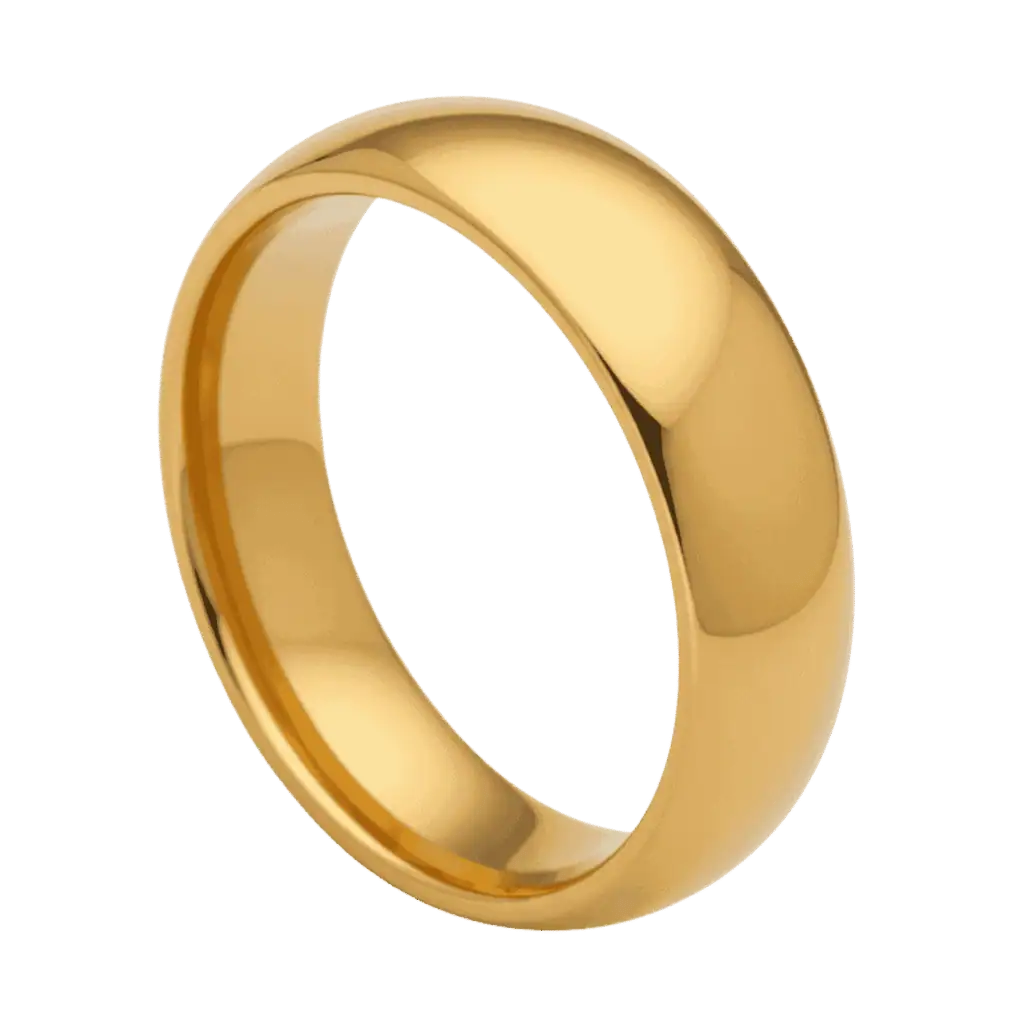
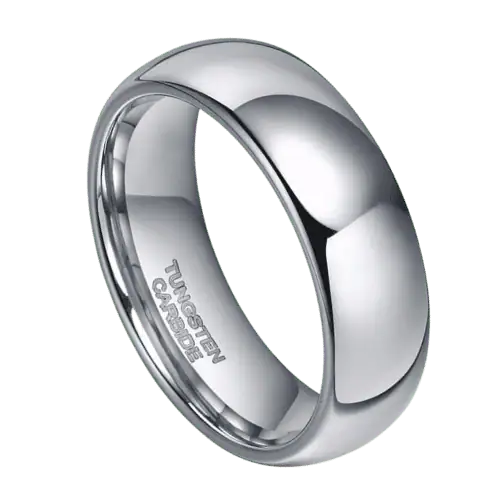
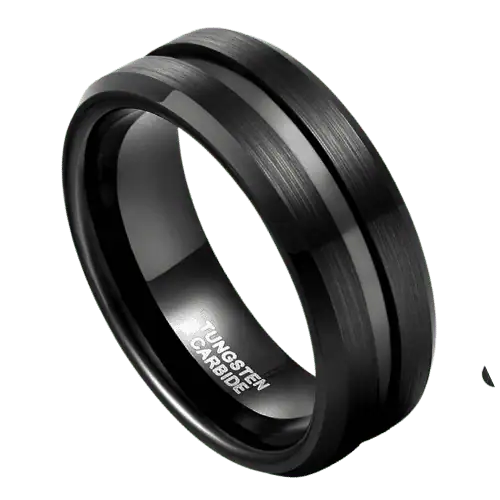
The concerns with metal rings in military environments are well documented. Ring avulsion — also called degloving — occurs when a ring catches on a fixed object under force. The ring stays put; the finger does not. It is a serious, often career-ending injury. Tungsten and titanium rings, while harder than gold or silver, are rigid structures that cannot break under load.
Beyond degloving, metal rings present other issues:
Reflective surfaces: A polished metal ring creates a reflective surface visible at distance. In tactical environments, this is a genuine concern.
Electrical conductivity: Metal rings conduct electricity. Personnel working near electrical systems or power tools face an additional risk.
Temperature: Metal rings conduct heat and cold. In extreme environments — whether desert heat or arctic conditions — metal rings become uncomfortable.
MRI and medical: Titanium is MRI-compatible, but the standard advice in medical settings is to remove all jewellery.
Why Silicone Rings Work for Service Personnel
Silicone rings address every one of these problems. They are designed to break under sustained pressure — so if one catches on a piece of equipment, the ring gives way before the finger does. They produce no reflective surface, especially in matte black. They do not conduct electricity. They are fully waterproof, comfortable in extreme temperatures, and they weigh almost nothing.
From a cost perspective, silicone rings from Newman Bands start at £18. That makes it realistic to keep one at home, one in a kit bag, and a spare in a locker — something no service person would consider practical with a tungsten or titanium ring.
“Ordered 1 and got sent 3! So generous! Perfect fit and will be perfect for my work as i cant really wear a metal one!”
Dustin Hone
verified customer review — quoted word-for-word
“Wanted something to wear while at the gym or playing rugby - this is perfect and looks great in matte black!”
Matthew Turner, Redhill
verified customer review
Newman Bands silicone rings are also available in a range of widths and colours, with black matte being the most popular choice for military and emergency services use. No gloss. No visible metal. Nothing to catch the light or draw attention.
UK Military Ring Regulations — What You Need to Know
There is no single JSP (Joint Service Publication) number that governs ring-wearing across all British armed forces. Anyone claiming otherwise is speculating. What does exist is a framework of service-specific regulations, unit Standing Orders, and commanding officer discretion.
The general principles across the services are consistent:
Non-operational environments: A plain ring — no stones, no raised settings — is typically tolerated in administrative dress. Individual units may set stricter rules.
Operational and field environments: Jewellery is removed. This applies to all rings, regardless of material. The silicone ring’s advantage here is that it’s so inexpensive and comfortable that service personnel are more likely to actually remove it and keep it safe.
Training environments: Commando training, airborne selection, and similar courses typically require all jewellery to be removed. Silicone rings are easier to manage in this context.
Medical and MRI: Grade 5 titanium (Ti-6Al-4V) is MRI-compatible. Silicone is MRI-safe and presents no issues in medical environments.
Do Not Invent Regulation Numbers: If someone tells you there is a specific JSP number that permits or prohibits ring-wearing across all UK military services, ask to see it. UK military ring rules are unit and role-specific — not governed by a single national policy.
The Black Silicone Ring Tradition in Military and Emergency Services
Black silicone rings have developed a strong association with military and emergency services culture — partly for practical reasons and partly symbolic ones. The matte black finish is non-reflective, sits flat against the finger, and carries no visual suggestion of value or vulnerability.
In the United States, the 22KILL (now part of the One Tribe Foundation) Honor Ring — a black ring worn on the right index finger — has become a visible symbol of veteran suicide awareness, associated with the 22KILL (now part of the One Tribe Foundation) charity. This is a US-specific movement and is not affiliated with Newman Bands or any UK organisation. It is worth understanding if you serve alongside American personnel or follow veteran communities online.
In the UK, the choice of a black silicone ring is more often a practical and personal one. It says: I’m married. It says: I work with my hands. It says nothing about value, and it draws no unwanted attention. For service personnel returning from deployment, for firefighters, for paramedics, and for police officers — a black silicone ring has become the ring of choice.
Matching Rings for Military Couples
One of the most practical applications of silicone rings is the deployment set. When a service person deploys, the metal wedding ring often stays at home — either because the deployment environment makes wearing it unsafe, or simply to avoid the risk of losing it. The result is that both partners go without a visible symbol of their commitment for months at a time.
Silicone rings offer a simple solution. At £18 from Newman Bands, both partners can wear matching rings throughout a deployment. The service person gets a safe, functional alternative for field wear. The partner at home gets a ring that matches. Neither is parted from a symbol that matters.
Newman Bands offers silicone rings in a range of widths and colours. Matching sets can be ordered for the same price as a single traditional ring. The 100-day return policy applies to non-personalised rings — with free unlimited size exchanges — giving you time to ensure the fit is right before committing.
Frequently Asked Questions
Can soldiers wear rings in the British Army?
There is no single British Army rule that either bans or permits rings outright. Rules are set by individual units through Standing Orders and commanding officer discretion. In non-operational settings, a plain ring is generally tolerated. On operations and in field environments, rings are typically removed. Silicone rings are the safest material choice for any environment where a ring is worn.
Why don't soldiers wear rings?
The primary reason is ring avulsion — a serious injury where a ring catches on fixed equipment under force, causing degloving of the finger. Metal rings are rigid and cannot break to prevent this injury. Reflective surfaces, electrical conductivity, and the practicalities of field conditions are additional factors. Many service personnel wear silicone rings instead, as they are designed to break under sustained pressure.
What ring does the British Army wear?
There is no single official ring for British Army personnel. In practice, service personnel who choose to wear a ring in appropriate settings most commonly opt for a plain metal band (tungsten, titanium, or silver) or a silicone ring. Black matte silicone rings are the most popular choice for personnel in active or physical roles, given their safety properties and non-reflective finish.
What is a military silicone ring?
A military silicone ring is a silicone band — typically black, matte, and plain — worn as a wedding band or commitment ring by military and emergency services personnel. It is chosen for its break-safe design (it will give way before causing a degloving injury), its non-reflective surface, and its low cost. Silicone rings from Newman Bands start at £18 and are available in a range of widths and colours.
Related Guides
Related: the full silicone rings guide
Buy Men's Rings
Related guides



Why choose Newmanbands
- 15,000+ verified 5-star reviews
- Free 1-2 day UK delivery
- 100-day free returns
- Every size held in UK stock
- Free ring sizer sent on request
- Personalised engraving